 Wejście bez kolejki
 Hue czy Hoi An: cesarska stolica czy port handlowy?
Rzetelne porównanie dwóch obiektów Światowego Dziedzictwa UNESCO w środkowym Wietnamie — ufortyfikowanej stolicy dynastii Nguyễn w Hue oraz XVII-wiecznego portu handlowego Hội An — które pomoże Państwu zdecydować, któremu miejscu dać pierwszeństwo.
Środkowy Wietnam mieści dwa z ośmiu wietnamskich obiektów Światowego Dziedzictwa UNESCO, oba dostępne z międzynarodowego lotniska Da Nang w ramach jednej podróży. Complex of Hué Monuments — wpisany na listę w 1993 roku jako pierwszy wietnamski obiekt dziedzictwa — chroni ufortyfikowaną stolicę dynastii Nguyễn (1802–1945) oraz rozrzucone wzdłuż Rzeki Perfum grobowce cesarskie. Hội An Ancient Town — wpisane w 1999 roku pod numerem referencyjnym 948 — zachowuje niezwykle dobrze zachowany port handlowy z okresu od XV do XIX wieku, obejmujący około 1068 historycznych budynków mieszkalnych, XVII-wieczny japoński zadaszony most oraz pięć chińskich hal zgromadzeń. Miejsca te różnią się niemal w każdym wymiarze istotnym dla podróżnika: skala, atmosfera, przestrzeń zwiedzania, sposób poruszania się oraz to, co zostaje w pamięci. Niniejszy przewodnik porównuje je rzetelnie, by pomóc Państwu wybrać, któremu dać pierwszeństwo — lub, co zdarza się częściej, w jakiej kolejności zwiedzić oba.
Dwa odmienne rodzaje obiektów dziedzictwa
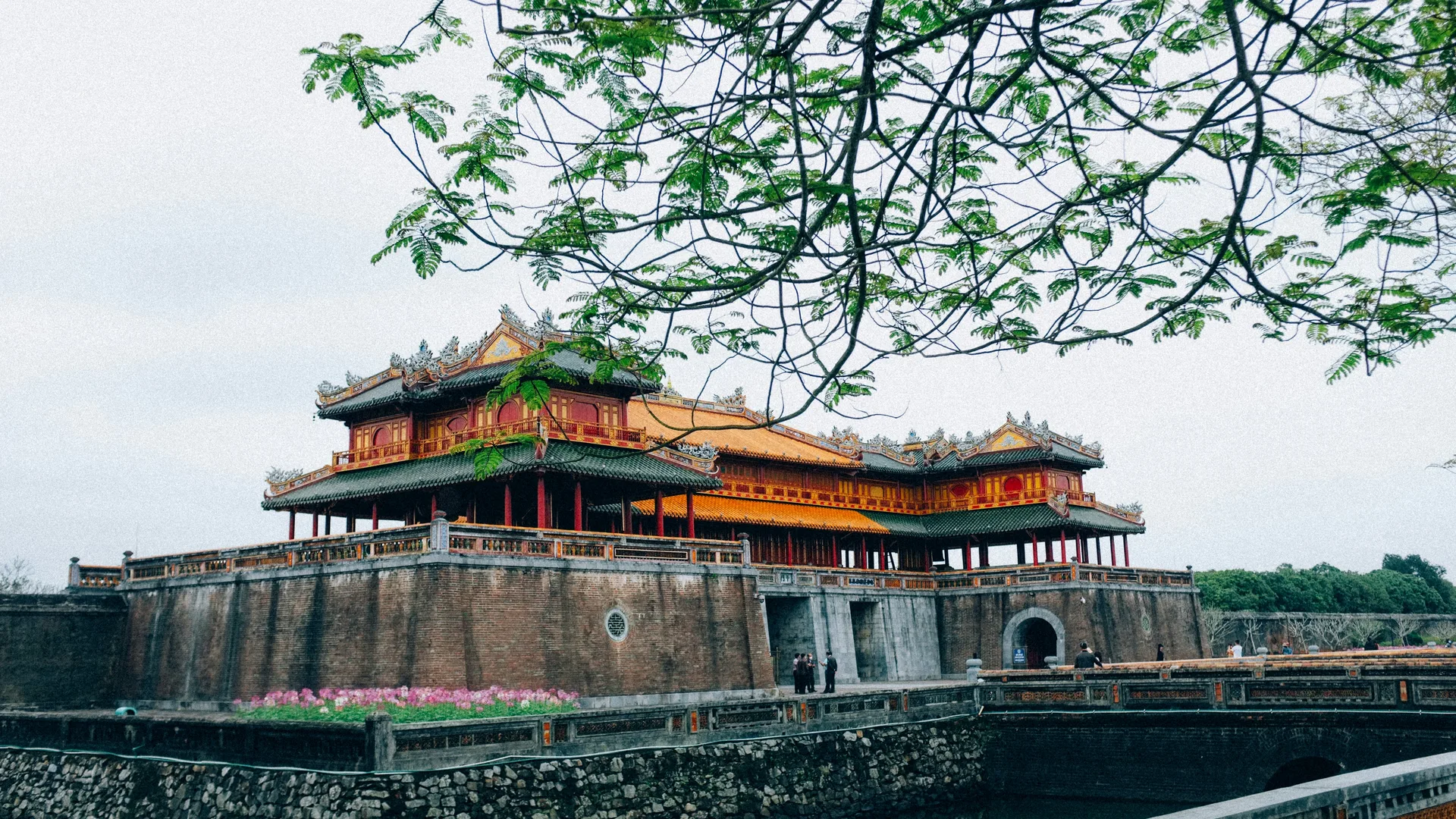
Hue to cesarska stolica. Cesarze dynastii Nguyễn z XIX wieku wznieśli ją jako miniaturową ewokację pekińskiego Zakazanego Miasta — trzy koncentryczne mury obronne, salę tronową usytuowaną na osi ceremonialnej północ-południe, świątynie przodków ku czci cesarzy dynastii oraz pierścień osobistych grobowców rozciągających się na południe wzdłuż Rzeki Perfum, gdzie gust każdego cesarza wyrażał się we własnym języku architektonicznym. Wizyta ma charakter monumentalny: pięciofeniksowa Brama Południka Ngọ Môn, czerwono-złote kolumny sali tronowej Thái Hòa, Dziewięć Dynastycznych Urn odlanych w brązie w latach trzydziestych XIX wieku. Jest to także czynny plac konserwatorski — znaczna część Zakazanego Purpurowego Miasta została zniszczona podczas bitwy o Huế w 1968 roku, a to, co można dziś oglądać, jest owocem cierpliwej rekonstrukcji prowadzonej po 1993 roku.
Hội An to miejsce przeciwstawne: port handlowy, który prosperował od XV do XIX wieku, kiedy zbiegali się tu japońscy, chińscy, portugalscy i holenderscy kupcy nad rzeką Thu Bồn. Stagnacja gospodarcza od lat 1800. — gdy rzeka zamulała się, a handel przesunął się do Da Nang — paradoksalnie zachowała krajobraz miejski niemal nietknięty. Wizyta ma skałę intymną: niskie domy kupieckie z żółtymi ścianami i dachówkowym dachem, 10-metrowy drewniany Japanese Bridge wzniesiony na początku XVII wieku, pięć chińskich hal zgromadzeń (Phước Kiến, Quảng Đông, Triều Châu, Hải Nam, Trung Hoa) oraz oświetlone lampionami wieczorne ulice, które stały się emblematycznym obrazem miasta. Gdzie Hue jest dynastyczne i ceremonialne, tam Hội An jest kupieckie i domowe.
Skala, układ i sposób przemieszczania się w obu miejscach
Kompleks dziedzictwa Hue rozciąga się na około 30 kilometrów wzdłuż Rzeki Perfum. Sama Cytadela Cesarska to kwadratowy mur o boku około 2,5 kilometra; grobowce królewskie leżą 4–16 kilometrów na południe. Nie można przejść pieszo między grobowcami, ani też między Cytadelą a grobowcami. Pełna wizyta dziedzictwa Hue wymaga wynajęcia prywatnego samochodu na dzień, zorganizowanej wycieczki kombinowanej albo łodzi po Rzece Perfum dla odcinka w górę rzeki obejmującego pagody i grobowce. Wewnątrz samej Cytadeli Cesarskiej należy liczyć się z 4–6 kilometrami marszu wzdłuż głównych osi, przeważnie po otwartych dziedzińcach z przerywanym cieniem. Dzień ma charakter logistycznie wymagający i fizycznie wyczerpujący.
Stare miasto Hội An zajmuje powierzchnię około kilometra na pół kilometra — wystarczająco małą, by przejść je wzdłuż i wszerz w dwadzieścia minut. Samochody mają ograniczony wjazd do historycznego centrum przez większą część dnia, co sprawia, że wędrówka uliczkami staje się całością trybu zwiedzania. Ta sama uliczka w pięć minut prowadzi do domu kupieckiego, hali zgromadzeń, pracowni krawca, kawiarni i nabrzeża rzecznego. Rowery są powszechnie wynajmowane i przydatne do dotarcia na plaże An Bàng lub Cửa Đại oddalone o trzy do czterech kilometrów na wschód. Gdzie Hue wymaga samochodu i kierowcy, tam Hội An funkcjonuje na stopie pieszej i rowerowej. Ta różnica kształtuje wszystko: tempo, rodzaj ubrań, które się sprawdzają, co się nosi ze sobą, jak zmęczonym się jest o zachodzie słońca.
Bilety, operatorzy i za co Państwo płacą
Dziedzictwem Hue zarządza państwowe Hue Monuments Conservation Centre (Trung tâm Bảo tồn Di tích Cố đô Huế), które wydaje bilety na poszczególne zabytki przy każdym z nich oraz serie biletów łączonych obejmujących Imperial Citadel wraz z dwoma, trzema lub czterema grobowcami królewskimi. Portal operatora akceptuje karty międzynarodowe, ale interfejs jest przede wszystkim w języku wietnamskim, a wymóg numeru telefonu do odzyskania biletów dotyczy wyłącznie formatu wietnamskiego. Większość międzynarodowych odwiedzających uznaje, że praktycznym wyborem jest albo pakiet z concierge (wstęp plus transport plus przewodnik angielskojęzyczny), albo zakup w kasie biletowej Ngọ Môn Gate po przyjeździe.
Hội An funkcjonuje według innego modelu. Wstęp na zabytkowe uliczki jest bezpłatny – bilet uprawnia do wejścia do obiektów dziedzictwa: domów zgromadzeń, rezydencji kupieckich, wnętrza Mostu Japońskiego czy muzeów. Jeden bilet do Starego Miasta Hội An (dostępny w punktach sprzedaży wokół historycznego centrum) uprawnia do wstępu do określonej liczby zabytków wskazanej na bilecie. Bilet obowiązuje przez 24 godziny, a wybór, które miejsca Państwo zwiedzą, należy do Państwa. Nie ma tu skomplikowanej logistyki biletów łączonych jak w przypadku rozproszonych grobowców w Hue. Koszt dziennej wizyty jest niższy, organizacja prostsza, a doświadczenie bardziej otwarte.
Co warto zobaczyć i ile dni potrzeba na każde miejsce
Hue zasługuje na dwa pełne dni. Dzień pierwszy: poranny pobyt w cytadeli (06:30 latem, 07:00 zimą), Zakazane Purpurowe Miasto i Pałac Thái Hòa, Dziewięć Dynastycznych Urn i Teatr Królewski, lunch w centrum Hue, po południu dwa grobowce królewskie (typowa kombinacja to Minh Mạng ze względu na symetrię oraz Khải Định dla dramatyzmu wizualnego). Dzień drugi: trzeci główny grobowiec (Tự Đức dla atmosfery), Pagoda Thiên Mụ nad rzeką Perfume oraz rejs smoczą łodzią o zachodzie słońca. Zmieszczenie tego programu w jeden dzień z wyjazdem z Da Nang lub Hội An jest możliwe, ale traci się wtedy większość głębi, która sprawia, że Hue jest warte podróży.
Hội An zasługuje na jeden pełny dzień na zwiedzanie historycznego centrum oraz drugi na plaże, kursy gotowania i usługi krawieckie. Zabytkowe uliczki są najbardziej fotogeniczne mniej więcej między 16:00 a 22:00, gdy zapalone są lampiony, a upał dnia minął; poranki są spokojniejsze i lepsze do zwiedzania domów zgromadzeń bez tłumów. Dodanie półdniowej wycieczki do Sanktuarium My Son – osobno wpisanej na listę UNESCO ruiny hinduistycznej świątyni Czamów trzydzieści kilometrów na zachód, wpisanej w 1999 roku – nadaje pobytu w Hội An głębszy wymiar kulturowy. Większość podróżnych odkrywa, że Hội An pozostaje w pamięci nieproporcjonalnie długo w stosunku do zainwestowanego czasu; to miejsce w środkowym Wietnamie, w którym dni upływają przyjemnie.
Jak połączyć oba miejsca w jedną podróż
Typowy program centralnego Wietnamu rozpoczyna się w Da Nang, następnie baza w Hội An na trzy lub cztery noce z rytmem plaża-stare miasto oraz wycieczką do My Son, a potem albo przeprowadzka do Hue na dwie noce, albo długa całodniowa wycieczka do Hue pociągiem Reunification Express. Geograficznie Hội An znajduje się na południe od Da Nang, a Hue na północ, więc najczystsza sekwencja to południe-północ: najpierw Hội An, następnie Da Nang lub przełęcz Hai Van, na końcu Hue. To umieszcza bardziej wymagającą logistykę Hue w punkcie, w którym Państwo są już zaaklimatyzowani do centralnego Wietnamu, i pozycjonuje wyjazd z Hue pociągiem lub lotem dalej do Hanoi.
Jeśli mają Państwo tylko cztery noce w środkowym Wietnamie, priorytet należy dać Hội An nad Hue – przeżycie na dzień jest intensywniejsze, logistyka lżejsza, a długa jednodniowa wycieczka do Hue może się zmieścić w tym samym wyjeździe. Jeśli mają Państwo pełny tydzień, poświęćcie dwie noce w Hue, by zwiedzić cytadelę oraz trzy grobowce bez pośpiechu, oraz trzy lub cztery noce w Hội An, by wejść w spokojniejszy tryb. Odwiedzający szczególnie zainteresowani wietnamską historią cesarską lub buddyjską architekturą świątynną powinni wybrać Hue; ci, których bardziej przyciąga uliczne jedzenie, fotografia, lampiony i usługi krawieckie, powinni wybrać Hội An. Żaden dzień nie będzie zmarnowany, a większość podróżnych odkrywa, że chce zobaczyć oba miejsca.
Najczęściej zadawane pytania
Jeśli mam czas tylko na jedno miejsce, które powinienem wybrać?
Większość turystów odwiedzających region po raz pierwszy wybiera Hội An – wrażenia są bardziej dostępne, logistyka prostsza, a uliczki naturalnie fotogeniczne. Hue nagradza gości szczególnie zainteresowanych historią cesarską, architekturą dynastyczną lub buddyjskimi kompleksami grobowymi.
Jak daleko od siebie znajdują się Hue i Hội An?
Około 130 kilometrów drogą lądową, trzy do trzech i pół godziny w jedną stronę przez Da Nang i tunel Hai Van. Pociąg z Da Nang do Hue pokonuje malowniczą trasę wzdłuż wybrzeża Hai Van w około 2,5–3 godziny.
Czy Hội An jest starsze niż Hue?
Tak. Hội An prosperowało jako port handlowy od XV do XIX wieku; zachowana zabudowa pochodzi głównie z XVII–XVIII wieku. Cytadela w Hue została wzniesiona od 1802 roku za panowania cesarza Gia Long, założyciela dynastii Nguyễn.
Które miasto jest bardziej zatłoczone turystami?
Hội An jest bardziej zatłoczone na metr kwadratowy, szczególnie po zmroku, gdy zapala się iluminacja latarni. Hue sprawia wrażenie spokojniejszego, ponieważ jego zabytki rozciągają się na 30 kilometrów, jednak sama Cytadela Cesarska może być zatłoczona w środku przedpołudnia w szczycie sezonu.
Czy bilety są wymagane w Hội An, czy tylko w Hue?
W obu miejscach. W Hue obowiązują bilety na poszczególne zabytki oraz karnety dostępne przez Hue Monuments Conservation Centre. W Hội An wydawany jest bilet Hội An Old Town uprawniający do zwiedzania określonej liczby zabytkowych obiektów; spacery uliczkami są bezpłatne.
Czy mogę odwiedzić Hue podczas jednodniowej wycieczki z Hội An?
Tak, ale to bardzo długi dzień — trzy godziny w każdą stronę pozostawia pięć do sześciu godzin na miejscu. Wystarczy na Cesarską Cytadelę i jedno mauzoleum w szybkim tempie; zdecydowanie za mało na pełną trasę trzech grobowców.
Gdzie jedzenie jest lepsze?
Hue to stolica kuchni dworskiej: bún bò Huế, bánh khoái, bánh bèo, bánh nậm. Hội An dysponuje własnymi kanonicznymi potrawami — cao lầu, kluski white rose, mì Quảng — oraz znacznie większą koncentracją restauracji. Hue oferuje autentyczne dania; Hội An zapewnia wyjątkowe doznania kulinarne.
Czy My Son leży bliżej Hue czy Hội An?
Bliżej Hội An — około trzydziestu kilometrów na zachód. Ruiny świątyń Czamów stanowią osobny wpis na Listę Światowego Dziedzictwa UNESCO (1999 r.) i są popularnym celem półdniowych wycieczek z Hội An, nie z Hue.
Które miasto jest lepsze dla rodzin z małymi dziećmi?
Zdecydowanie Hội An. Kompaktowa skala sprzyjająca spacerom, plaże trzy kilometry na wschód, warsztaty kulinarne i przejażdżki rowerowe — wszystko to wpisuje się w rodzinny rytm. Dzień poświęcony na zwiedzanie grobowców w Hue, wymagający stałych przejazdów samochodem, jest wyczerpujący z małymi dziećmi.
Które miasto jest lepsze dla fotografów?
Oba nagradzają w odmienny sposób. Hue jest monumentalne — żółte mury, czerwono-złota sala tronowa, Dziewięć Urn, nastrojowe ruiny Zakazanego Purpurowego Miasta. Hội An jest kameralne i pełne barw — lampiony, odbicia w rzece, wąskie uliczki o zmierzchu. Większość fotografów pragnie uchwycić obie lokacje.